
Every year, on the night of October 31st, streets around the world come alive with spooky decorations, glowing pumpkins, eerie costumes, and cheerful laughter. Kids dressed as witches, ghosts, and superheroes go door-to-door shouting, “Trick or treat!” while adults attend costume parties or decorate their homes with cobwebs, bats, and skeletons.
This magical, mysterious, and fun-filled event is known as Halloween — a festival that blends ancient traditions, cultural rituals, and modern entertainment.
But have you ever wondered how Halloween started? Why do we carve pumpkins or wear costumes? And how did this Celtic festival grow into a global celebration loved by millions?
Let’s dive deep into the fascinating story of Halloween — from its ancient roots to modern-day celebrations — and discover why it continues to enchant people around the world.
 The Ancient Origins of Halloween
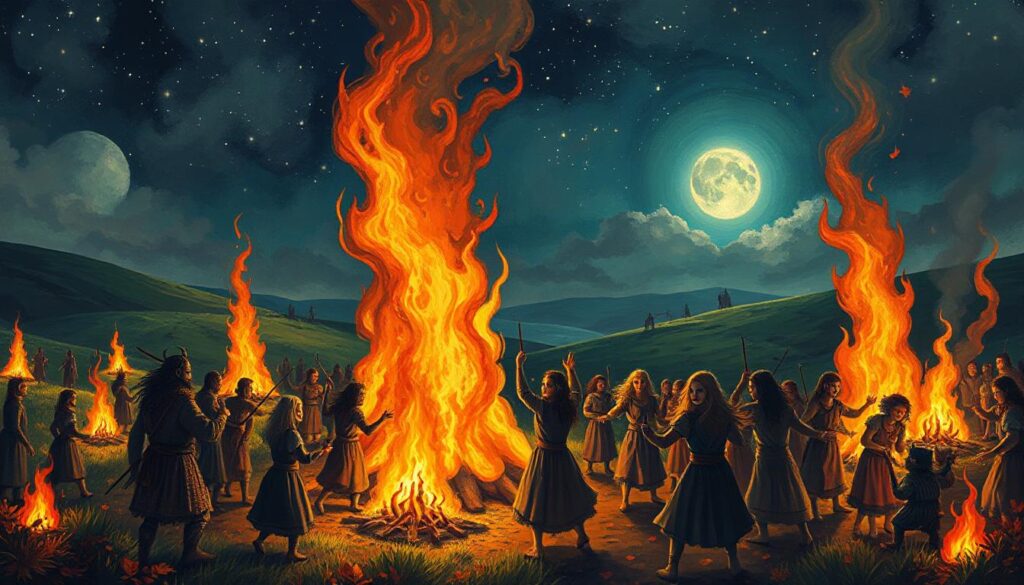
Halloween has its origins in an ancient Celtic festival known as Samhain (pronounced sow-in), celebrated over 2,000 years ago in areas that are now Ireland, Scotland, and parts of northern France.
The Celts celebrated Samhain on November 1st, marking the end of the harvest season and the beginning of winter — a time often associated with death and darkness. They believed that on the night before Samhain, the boundary between the living and the dead became blurred. Spirits of the dead were thought to return to Earth to visit the living, causing mischief or spreading illness.
To protect themselves from these wandering spirits, the Celts:
- Lit large bonfires to ward off evil.
- Wore animal skins and costumes to disguise themselves from ghosts.
- Left food and treats outside their homes to keep spirits happy.
These customs might sound familiar — because many of them evolved into the Halloween traditions we know today!
The Roman Influence: Festivals of Feralia and Pomona
When the Romans conquered Celtic lands around 43 A.D., they brought their own festivals and blended them with Samhain traditions. Two of these Roman festivals were particularly influential:
- Feralia – a day in late October when Romans honored the dead.
- Pomona – a celebration of the Roman goddess of fruit and trees. Her symbol was the apple, which may explain why the Halloween game of bobbing for apples became popular later on.
This combination of Celtic and Roman customs gradually evolved into a single autumn festival — one that honored both death and harvest, setting the stage for the Halloween we celebrate today.
The Christian Influence: All Saints’ Day and All Hallows’ Eve
 The Christian Influence: All Saints’ Day and All Hallows’ Eve
By the 9th century, Christianity had spread widely across Europe. The Church wanted to replace pagan festivals with Christian holidays, so Pope Gregory III declared November 1st as All Saints’ Day — a day to honor saints and martyrs.
The night before, October 31st, became known as All Hallows’ Eve (“hallow” means “holy”). Over time, All Hallows’ Eve was shortened to Halloween.
Thus, Halloween began as a blend of pagan and Christian traditions — a night honoring the dead but also celebrating community, faith, and protection against evil.
The Spread of Halloween to America
 The Spread of Halloween to America
Halloween arrived in North America with Irish and Scottish immigrants in the 19th century. These immigrants brought their folk customs, especially during the Irish Potato Famine (1845–1852), when millions of Irish people migrated to the United States.
In the early days, Halloween in America was a mix of:
- Community gatherings.
- Storytelling (especially ghost stories).
- Singing, dancing, and playing tricks.
Over time, the focus shifted from frightening traditions to fun family celebrations. In the 1920s and 1930s, Halloween parades and parties became common in towns across the U.S.
By the 1950s, Halloween was primarily celebrated by children, and the popular custom of trick-or-treating became widespread.
The Birth of Trick-or-Treating
 The Birth of Trick-or-Treating
“Trick or treat” is now one of the most beloved parts of Halloween. But where did it come from?
The idea traces back to medieval Europe, where poor people and children went door-to-door during All Souls’ Day (November 2), offering prayers for the dead in exchange for food — a practice known as “souling.”
Later, in Scotland and Ireland, children dressed in costumes and went “guising,” performing songs or jokes for small treats.
When these traditions reached America, they merged into the modern custom of trick-or-treating, where kids wear costumes and receive candy from neighbors.
The Story of the Jack-o’-Lantern
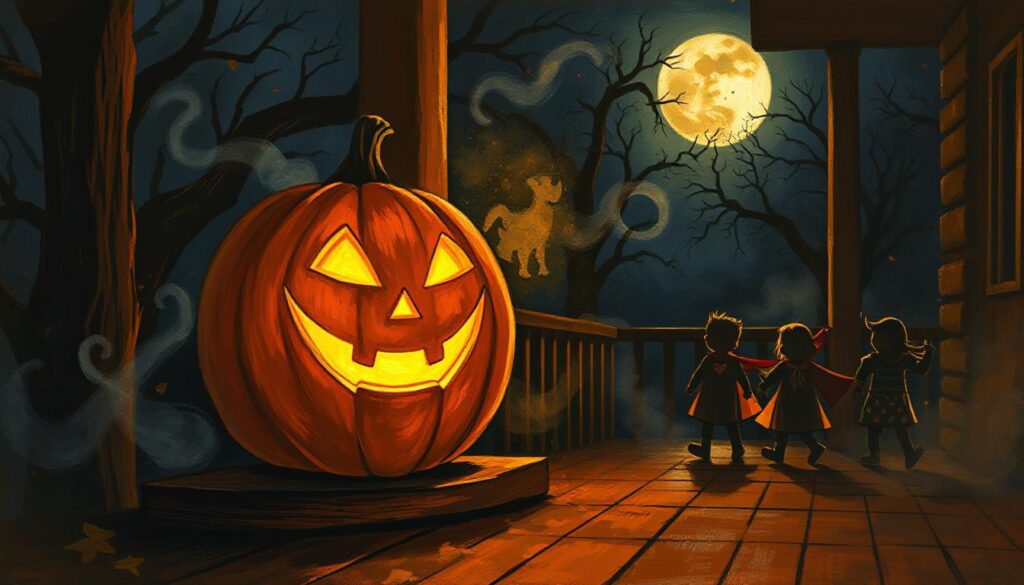
Another iconic symbol of Halloween is the Jack-o’-lantern — a carved pumpkin glowing with a spooky face.
This custom began with an Irish legend about a man named “Stingy Jack.”
According to the story, Jack tricked the devil several times and was banned from both heaven and hell. He was doomed to wander the Earth with only a burning coal inside a carved turnip to light his way.
The Irish began carving turnips and potatoes to ward off evil spirits. When they came to America, they discovered that pumpkins — native to North America — were larger and easier to carve.
Thus, the pumpkin jack-o’-lantern became the ultimate Halloween symbol, representing both fun and fright.
How Halloween Spread Across the World
 How Halloween Spread Across the World
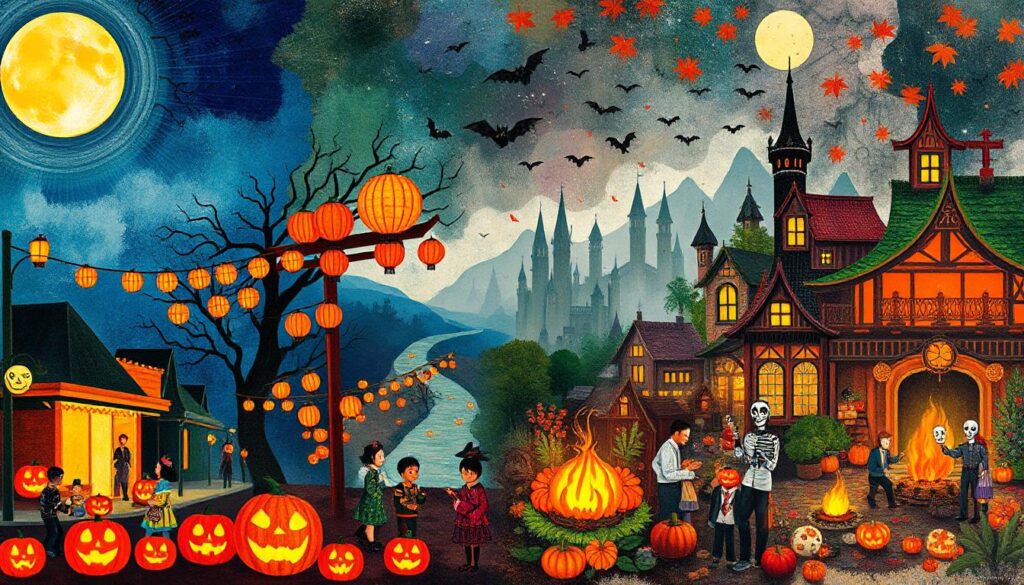
While Halloween began in Celtic lands and grew in America, it has now become a global celebration — each country adding its own twist to the festivities.
United States & Canada
The biggest Halloween celebrations happen here. Neighborhoods are decorated with spooky themes, haunted houses, and pumpkin displays. Kids go trick-or-treating, and adults join costume parties, parades, or horror movie marathons.
United Kingdom & Ireland
Halloween in the UK and Ireland retains some of its original Celtic flavor. People light bonfires, play traditional games like apple bobbing, and tell ghost stories. In Scotland, “guising” is still popular among children.
Mexico – Día de los Muertos
 Mexico – Día de los Muertos
In Mexico, Halloween blends with Día de los Muertos (Day of the Dead), celebrated on November 1st and 2nd. Families build colorful altars to honor deceased loved ones, decorate with marigolds and sugar skulls, and share food and memories. It’s a joyful, not scary, celebration of life and remembrance.
️ Japan
Japan has adopted Halloween in a fun, non-traditional way — with costume parades, cosplay, and street parties, especially in Tokyo’s Shibuya district. It’s more about fashion and fun than scary traditions.
Other Countries
 Other Countries
Germany: People hide their knives on Halloween night to protect themselves from returning spirit.
Italy & Spain: Churches hold masses for the dead, blending religion with remembrance.
- Australia & New Zealand: Halloween is growing in popularity, especially among children and teens.
- Philippines: Families visit cemeteries to clean graves and light candles for their loved ones.
️ Why People Love Halloween

 ️ Why People Love Halloween
Halloween is more than costumes and candy — it’s a cultural, emotional, and social experience that appeals to people of all ages. Here’s why it’s loved globally:
- Creativity & Expression – Dressing up as anyone or anything gives people a chance to express their imagination and personality.
- Community Bonding – Trick-or-treating and neighborhood decorations bring communities together.
- Fun & Escapism – For one night, people can escape everyday routines and live in a world of fantasy.
- Tradition & Heritage – Halloween connects people to ancient customs and history.
- Family & Togetherness – Families carve pumpkins, decorate homes, and watch Halloween movies together.
It’s both nostalgic and exciting, mixing spooky legends with joyful celebration.
️ Educational Value: What We Can Learn from Halloween
Halloween isn’t just about fun; it also teaches valuable lessons, especially for children and students:
- History & Culture – Understanding Halloween’s roots helps preserve historical awareness.
- Creativity – Costume-making and decorating encourage artistic skills.
- Empathy & Sharing – Giving candy and greeting neighbors builds social kindness.
- Confidence – Performing, dressing up, and interacting with others boosts self-esteem.
- Respect for the Dead – The original purpose — remembering spirits — reminds us to honor our ancestors.
Modern Halloween: From Horror Movies to Eco-Friendly Trends
 Modern Halloween: From Horror Movies to Eco-Friendly Trends
Today, Halloween is also a commercial and pop culture phenomenon. Movie studios release horror films, theme parks host haunted nights, and stores sell costumes, decorations, and candy worth billions of dollars annually.
However, new trends are shaping how people celebrate:
- Eco-friendly decorations using natural materials.
- DIY costumes made from recycled fabrics.
- Healthier treats instead of too much sugar.
- Virtual celebrations for global communities.
Halloween continues to evolve — keeping the spirit alive while adapting to modern lifestyles.
Advantages of Celebrating Halloween
 Advantages of Celebrating Halloween
Although some view Halloween as merely entertainment, it actually brings several benefits:
- Strengthens Social Bonds – Neighbors and communities come together in a shared event.
- Encourages Creativity – Designing costumes and decorations fosters innovation.
- Boosts Local Economy – Candy shops, craft stores, and online retailers thrive during Halloween.
- Spreads Joy & Laughter – It creates a cheerful environment, especially for children.
- Preserves Culture & Heritage – Keeps ancient traditions alive in modern times.
- Provides Emotional Release – Embracing “fear” in a fun way helps relieve real-life stress.
Celebrate Halloween in Style with DGBoom!
 Celebrate Halloween in Style with
 Before we dive deeper into history — why not bring some Halloween magic into your wardrobe and home? 
At DGBoom.com, we’ve got a spook-tacular Halloween collection featuring creative designs inspired by pumpkins, ghosts, black cats, and more!
 From Halloween t-shirts, hoodies & sweatshirts, jackets & vests, mugs, tote bags, and beanies, pin buttons our exclusive designs are made to help you:
- Stand out at Halloween parties
- Share the spooky spirit with friends and family
- Enjoy soft, eco-friendly, and comfortable styles
 Shop your favorite Halloween Hoodies & Sweatshirts designs now and celebrate the spooky season in style:
 Shop Halloween Collection – dgboom.com
DGBoom’s Spooky Picks for Halloween Lovers
 DGBoom’s Spooky Picks for Halloween Lovers
Whether you’re dressing up for trick-or-treating or decorating your home, DGBoom has something for every Halloween fan: Graphic Tees – Funny, spooky, and cute designs perfect for parties. Hoodies & Sweatshirts – Cozy up in seasonal prints.
 Mugs & Accessories – Sip your pumpkin spice latte in style.
 Eco-Friendly Bags & Apparel – Sustainable and stylish choices for fall.
 Explore now:
 The Timeless Magic of Halloween
From ancient Celtic bonfires to today’s pumpkin-lit streets, Halloween continues to bring joy, creativity, and connection across the world. From its mystical Celtic origins to today’s global celebrations, Halloween remains a powerful reminder of how human traditions evolve — blending fear, fun, history, and creativity.
It teaches us that even as centuries pass, people everywhere still crave connection, imagination, and the thrill of mystery. It reminds us to have fun, honor traditions, and celebrate life — even through a little spooky charm!
Whether you’re carving a pumpkin, watching a scary movie, or sharing candy with kids — you’re part of a tradition that has lasted for over 2,000 years.
So as you carve pumpkins and plan your costumes, don’t forget to add some Halloween flair from DGBoom.com — where creativity meets comfort. So this Halloween, light your jack-o’-lantern, put on your favorite costume, and enjoy the spirit of the season — a night where the past meets the present, and imagination rules the world.
Happy Halloween from DGBoom!
Celebrate the season with style, fun, and a touch of spooky elegance.