
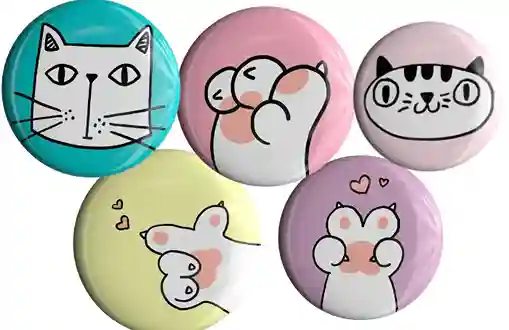
Pin buttons—also known as pin-back buttons, badge pins, or button badges—have been a popular form of expression for more than a century. From political campaigns to fashion trends, these small yet powerful items have played a major role in communication, branding, and self-identity. Today, pin buttons remain widely used across events, marketing campaigns, collectible merchandise, and personalized accessories.
Historical Background
The earliest form of wearable badges appeared in the late 18th century, but the modern pin-back button design was patented in 1896. These early buttons were commonly used during political campaigns in the United States, quickly becoming an affordable way for supporters to show loyalty.
By the mid-1900s, pin buttons evolved from political symbols into cultural icons. They became a central part of music festivals, civil rights movements, social campaigns, and youth fashion. Their simplicity, affordability, and mass production capabilities helped them gain widespread popularity.
Materials and Manufacturing
Pin buttons are typically made using:
A metal shell
Printed artwork or graphics
A protective plastic (mylar) cover
A metal or plastic pin-back
Modern manufacturing allows high-resolution printing, making it possible to create artistic, promotional, humorous, or personalized designs. Custom pin buttons can be produced in a variety of shapes and sizes depending on their purpose.
Cultural Impact
Pin-back buttons have been central to many cultural moments:
1. Pop Culture & Music
Bands and artists often use pin badges as merchandise, allowing fans to display loyalty. Music festivals throughout the 1970s and 1980s made buttons a symbol of fan identity.
2. Social Movements
Throughout history, activists used buttons to spread awareness about civil rights, environmental issues, and humanitarian causes. Their low cost allowed messages to reach millions.
3. Personal Expression
Buttons have become a fun way for people to express humor, personality, political views, or support for social causes.
Pin Buttons in Modern Marketing
Despite the rise of digital advertising, physical promotional items remain highly effective. Pin buttons continue to be used in:
 Branding and Promotions
 Branding and Promotions
Companies use pin badges during product launches, events, expos, and marketing campaigns. They are affordable, customizable, and highly visible.
Events and Celebrations
Birthday parties, weddings, awareness walks, school functions, and conferences often use custom pin buttons as souvenirs.
Merchandise and Collectibles
Collectors appreciate limited-edition pin badges, especially those featuring artwork, characters, or event-specific themes.
Fashion Accessories
Pin buttons are frequently added to:
Jackets
Backpacks
Hats
Hoodies
Tote bags
Young audiences especially love wearing unique or expressive button designs.
Why Pin Buttons Remain Popular
Pin-back buttons remain relevant today because they are:
Affordable to produce in bulk
Customizable with any artwork
Reusable and durable
Lightweight and easy to distribute
Effective for marketing and personal branding
Their versatility makes them ideal for both commercial and personal use.
Conclusion
For over a century, pin-back buttons have served as a timeless tool for expression, communication, and branding. Whether used for cultural movements, fashion styles, marketing promotions, or collectible merchandise, pin buttons continue to hold a meaningful place in modern society. Their combination of artistic appeal and functional simplicity ensures they will remain popular for generations to come.