
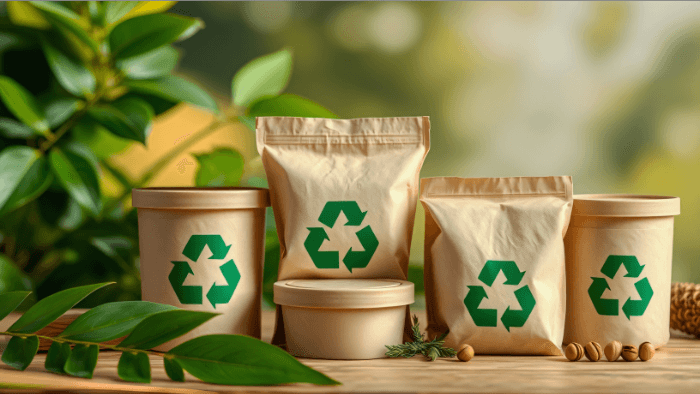
Eco-friendly products help reduce waste, pollution, and the overall carbon footprint. By choosing items made from sustainable or recycled materials, we protect natural resources and support a cleaner, healthier environment. Every eco-friendly choice—whether it’s a reusable tote bag, organic cotton t-shirt, or biodegradable packaging—makes a positive impact on the planet.
Beyond the environmental benefits, eco-friendly products also support ethical production and healthier lifestyles. They are often free from harmful chemicals, longer-lasting, and created through fair, responsible practices. By using them, you’re not just shopping—you’re investing in a better future for yourself and generations to come.
A Greener Choice, A Brighter Future
In a world where consumer choices ripple far beyond our homes, eco-friendly products aren’t just a trend—they’re a responsibility. Making conscious decisions to choose sustainable, earth-friendly goods is one simple yet powerful way each of us can contribute to a healthier planet and a more sustainable future.
Protecting Our Planet
Reducing Pollution:
Eco-friendly products often use biodegradable, non-toxic materials that break down naturally. This helps reduce air, water, and soil pollution from harmful manufacturing byproducts and waste.
Conserving Resources:
Sustainable production methods—like using recycled materials or renewable energy—lower strain on forests, water supplies, and fossil fuels.
Healthier for You and Your Loved Ones
Fewer Harmful Chemicals:
Eco-friendly goods are frequently made without harmful additives like phthalates, BPA, or formaldehyde. That means less exposure to toxins in everyday items—and better health outcomes overall.
Improved Indoor Air Quality:
Natural materials (like bamboo, organic cotton, or wool) often release fewer volatile organic compounds (VOCs), leading to cleaner air in your home—especially important for infants, children, and holiday-inspired homes.
Empowering Ethical and Fair Practices
Fair Trade and Ethical Labor:
Many eco-conscious companies adhere to fair wages and safe working conditions. This supports workers and small-scale producers, often in developing regions.
Transparency and Responsibility:
Brands that focus on sustainability are more likely to disclose sourcing, energy usage, and environmental impact—encouraging accountability across the industry.
Cost Savings in the Long Run
Durability and Quality: Eco-friendly products often prioritize longevity—think reusable glass containers, stainless steel water bottles, or high-quality organic textiles.
Waste Minimization:
Reusable and durable items reduce the need for frequent replacements, translating to both cost savings and less waste.
Inspiring Broader Change
Market Transformation:
Consumer demand drives production. Choosing green products signals to manufacturers that sustainability matters—shaping greener industry standards.
Social Influence:
Your choices can inspire others—friends, family, and community—to adopt eco-friendly habits, creating a ripple effect toward collective impact.
Personal Empowerment
Practice Mindful Living:
Opting for eco-friendly products encourages intentional choices—reflecting values and purpose in what you purchase.
Feel-Good Factor:
Knowing your decisions help the environment often brings a sense of pride and well-being—a little reminder that you’re doing your part.
Quick Tips: How to Start Choosing Eco-Friendly
- Read Labels: Look for certifications like “Organic,” “FSC,” “Fair Trade,” or “B Corp.”
- Buy Durable, Reusable Items: From produce bags to household cleaners, reusables help cut down single-use waste.
- Buy Local When Possible: Less shipping equals lower emissions, plus you support your local economy.
- Recycle or Upcycle: Think twice before discarding—many products have second lives.
- Support Transparent Brands: Brands that openly share their values, sourcing, and manufacturing practices are often more trustworthy.
Conclusion: Small Steps, Big Impact
Choosing eco-friendly products isn’t about perfection—it’s about progress. Each thoughtful decision—from your cleaning supplies to your baby’s clothing—nudges us toward a healthier planet, a fairer society, and a mindful, thriving future. Because at the end of the day, sustainable choices don’t just help the environment—they nurture a better world for all.